
How Sports Medicine Treats a Ligament Sprain
Jun 08, 2026 · 3 min read · Rupal Mehta, PT, MS, DPT, PhD
 How Sports Medicine Treats a Ligament Sprain
Each year, millions of Americans experience ligament sprains due to running, exercising, or playing sports.
Each year, millions of Americans experience ligament sprains due to running, exercising, or playing sports.
Although most sprains are mild and heal with rest and at-home care, moderate and severe ligament sprains can make it difficult to walk or do other activities. Without prompt care, they may even keep you from your favorite activities for weeks or even months.
At Preserve Physical Therapy in The Woodlands and Magnolia, Texas, physical therapist Rupal Mehta, PT, MS, DPT, PhD, regularly diagnoses and treats ligament sprains.
Keep reading to learn why sprains occur, how they’re diagnosed, and what to expect during sports medicine treatment.
How ligament sprains happen
Ligaments are thick bands of tissue that connect the bones and stabilize the joints. They also limit excessive movements to help prevent the joints from becoming dislocated.
Even though the ligaments are tough and meant to withstand movements, they aren’t invincible. If you fall, twist your knee, or experience another traumatic injury, one or more ligaments can become overextended and cause a sprain.
Common symptoms of ligament sprains include:
- Pain
- Swelling
- Bruising
- Joint instability
- Difficulty placing weight on or moving the affected joint
If you experience any of these symptoms and they don’t improve with rest, ice, and over-the-counter (OTC) pain medication, don’t wait to seek professional help.
How sports medicine diagnoses ligament sprains
Sprains often present similar symptoms to other injuries, such as fractures or pulled muscles.
Before making any treatment recommendations, Dr. Mehta reviews your health history and asks a series of questions, including when the injury occurred, what your symptoms feel like, and whether certain activities make them worse.
Next, he completes an exam, gently presses on your skin to pinpoint sensitive areas, and orders X-rays or an MRI to rule out fractures and evaluate any soft tissue damage.
Sprains are graded by severity on a scale of one to three. Grade one sprains are minor and typically heal quickly, whereas grade three sprains are the most serious and require specialized care.
Common sports medicine treatments for ligament sprains
Dr. Mehta uses a conservative approach to treat ligament sprains whenever possible. After determining the location and severity of your sprain, he may suggest:
Rest and activity changes
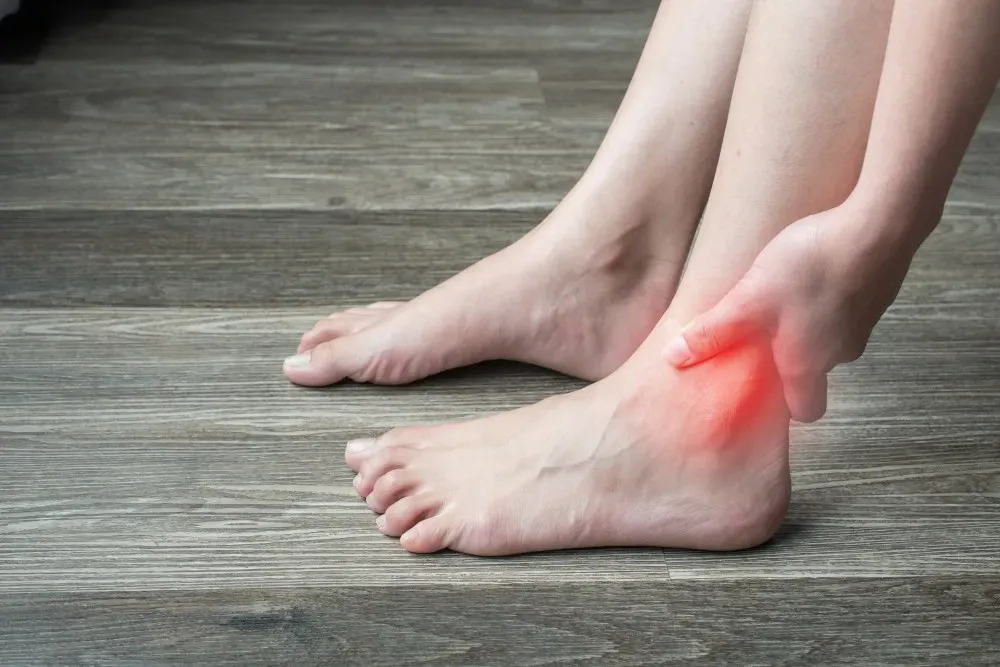
Minor sprains often improve with rest and changes in activity. For example, if you have a mild ankle sprain, avoiding running, jumping, and prolonged standing can reduce swelling and speed your body’s healing.
It can also help to keep your foot elevated and take over-the-counter medication. Together, these measures can reduce pain and inflammation.
Manual therapies
Manual therapies, such as massage and targeted stretches, are often recommended for sprained ligaments. These activities increase blood flow to the site of the injury, break up scar tissue, and improve your range of motion.
Biofeedback muscle training
If your ligament sprain involves poor muscle control or joint instability, Dr. Mehta may recommend biofeedback muscle training. This treatment helps retrain your muscles and improves body awareness, so you feel more confident and stable on your feet.
By enhancing your balance and coordination, you’re less likely to fall or move in ways that place excess strain on your ligaments.
Joint taping or bracing
Certain activities, such as running, hiking, and jumping, put the ligaments under duress. While there’s no way to avoid this wear-and-tear entirely, joint taping or bracing can reduce the amount of force on your ligaments and help stabilize the surrounding joints.
Physical therapy
Physical therapy uses targeted stretches, strengthening exercises, and other manual treatments to improve your flexibility, balance, and strength. It’s one of the most effective ways to encourage healing after a sprain and may even allow you to avoid surgery.
See how sports medicine can help you recover from a ligament sprain
If you’ve experienced a ligament sprain, and it doesn’t seem to be healing with at-home care, sports medicine can help.
To learn more about your treatment options, contact us today to request a consultation. Call (832) 510-3967 or book your appointment online.
Have questions about your symptoms?
Book an appointmentPosture & Ergonomics
Desk Habits That May Be Contributing to Back and Neck Pain
If most of your workday occurs at a desk, you’re in good company. One study found that the average American spends approximately five hours and 41 minutes per day sitting at their desk.
Technology
How Does Shockwave Therapy Work?
When you hear the word physical therapy, what comes to mind? Probably a combination of massage, hot and cold therapy, and targeted exercises.