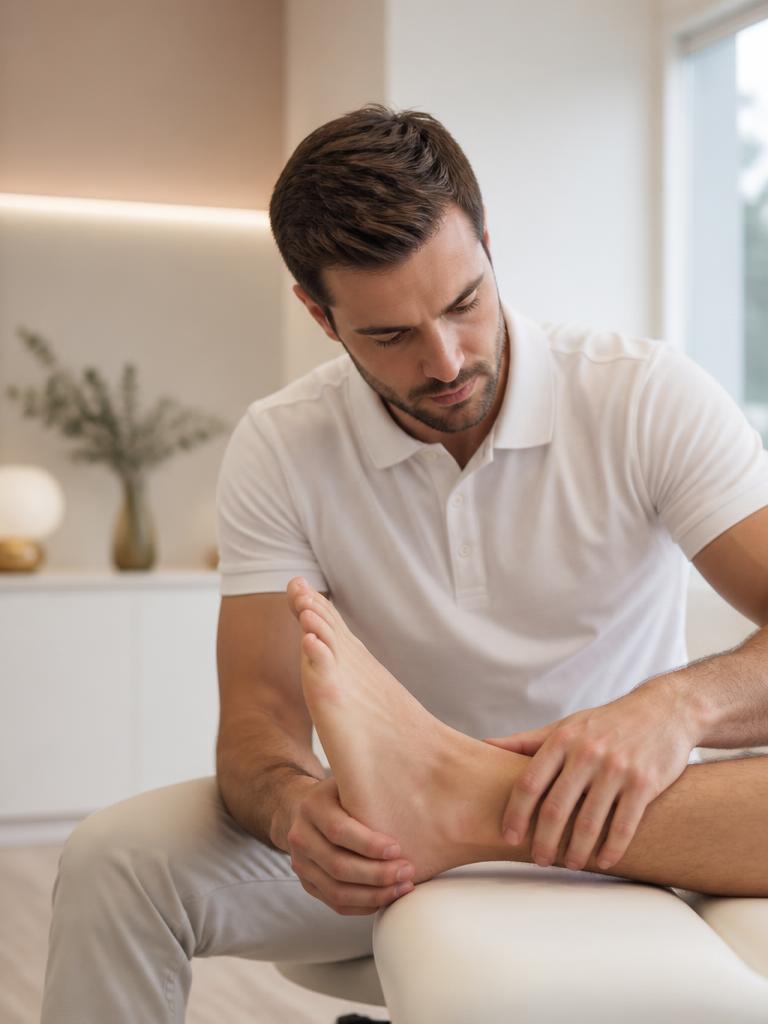

How does neurological rehabilitation help?
Your brain can reorganize itself — a property called neuroplasticity. Focused, repeated, progressively challenging movement is what drives that change. Neurological rehab puts that principle to work with structured practice tailored to the movements that matter most in your day.
For stroke survivors, this often means restoring strength and control on the affected side, relearning safe walking, and rebuilding activities of daily living. For people with Parkinson's, the emphasis shifts toward amplitude, cadence, posture, freezing episodes, and fall prevention.
What conditions does Dr. Mehta treat?
At Preserve Physical Therapy, neurological rehab addresses:
- Stroke and post-stroke hemiparesis
- Parkinson's disease
- Multiple sclerosis
- Traumatic brain injury and concussion
- Peripheral neuropathy
- Balance and coordination deficits of neurological origin
- Spasticity and abnormal muscle tone
What happens during your evaluation?
Dr. Mehta reviews your medical records, medications, and any imaging or neurology reports. He asks how your symptoms change through the day, what movements feel hardest, and what you most want to get back to.
He then assesses strength, tone, reflexes, coordination, sensation, posture, and range of motion, and observes your gait with and without any assistive devices you use. Motion sensors and foot pressure mapping quantify the asymmetries that guide your program.
What does treatment involve?
Every plan is individualized and progresses as you do. Dr. Mehta might use:
- Gait training
- Balance training
- Motor control and task-specific training
- Postural training
- Movement training with amplitude cueing
- Joint and soft tissue mobilization
- Myofascial release
- Fall-prevention and home-safety strategies
Biofeedback muscle training plays a central role in neurological recovery. Wearable electronic sensors show you in real time which muscles are firing, closing the mind-body loop that injury or disease has interrupted. Dr. Mehta offers this technology as part of a comprehensive neurological rehab program.
Progress in neurological rehab is measured in months rather than weeks, and consistency matters more than intensity. Dr. Mehta monitors your progress at regular checkups and adjusts your program as your capacity grows.
Call or text Preserve Physical Therapy today to schedule neurological rehab or request a new patient form online.